Garden design and build in Walthamstow
Transforming an outside space in Walthamstow takes more than a nice planting plan. It takes careful design, practical building knowledge, and a clear understanding of how local homes and gardens are used day to day. Whether you live in a Victorian terrace near Walthamstow Village, a maisonette close to Blackhorse Road, a newer property off Hoe Street, or a family home around Higham Hill, the right garden design and build approach can make your space feel larger, calmer, and far more useful.
At its best, a well-designed garden should feel like a natural extension of your home. It should suit your lifestyle, work with the shape of the plot, and make the most of every metre available. In a busy area like Walthamstow, where many gardens are compact, overlooked, or split into awkward shapes, a thoughtful layout can completely change how the space feels. Garden design and build in Walthamstow is about combining creativity with craftsmanship so that your garden looks good and functions well all year round.
From the first ideas through to the finished surface, planting, lighting, and features, our approach focuses on making the process straightforward for local customers. If you are planning a complete redesign, want to repair an impractical layout, or need a garden that works better for family life, entertaining, or low-maintenance use, we can help you move from vision to reality. Contact us today to start planning a garden that suits your home, budget, and daily routine.
Why local garden design matters in Walthamstow

Walthamstow has a wide mix of property styles, and that variety changes how each garden should be planned. Many homes have long narrow back gardens, side returns, split-level outdoor areas, or spaces that have been patched together over time. A one-size-fits-all layout rarely works well here. Local knowledge helps because it allows the design to respond to the real conditions of the area, from shade and privacy issues to access limitations and existing boundaries.
Local garden design also needs to take account of practical site conditions. Some properties in Walthamstow have tight side access, shared alleyways, limited storage for materials, or awkward points for bringing in soil, timber, paving, and waste. Others are near busier roads or terraces where privacy screening and sound-softening planting become especially important. A local team understands these issues and plans around them rather than treating them as surprises later on.
For homeowners and landlords alike, the value of good design is long-term. A garden that is well laid out is easier to maintain, more enjoyable to use, and more likely to support the overall feel of the property. For commercial customers, such as cafés, hospitality venues, offices, or community spaces, a carefully designed outdoor area can improve the experience for visitors and staff while keeping maintenance manageable.
What garden design and build includes

Garden design and build is a complete service that covers both the planning of the space and the physical construction needed to bring it to life. Depending on the condition of your garden and the outcome you want, the work may begin with clearing existing features, improving levels, or removing tired hard landscaping. From there, the project can move into layout decisions, structural elements, surface materials, planting, and final details.
Every project is different, but a typical garden design and build service may include:
- Initial site visit and discussion of your needs
- Review of the current layout, levels, and access
- Design ideas based on how you want to use the garden
- Hard landscaping such as patios, paths, steps, edging, and retaining features
- Soft landscaping including planting beds, turf, shrubs, and trees
- Timber or composite features such as fencing, screening, or raised beds
- Outdoor lighting for safety, ambience, or evening use
- Improved drainage or ground preparation where needed
- Final finishing, tidy-up, and practical handover advice
Some customers come to us with a clear idea of what they want, while others only know that the garden is not working and needs to feel better. Both are fine. A good design process should help you refine the brief, explore options, and choose materials and planting that suit the property. It is not just about making a garden look attractive; it is about creating a space that is easy to live with.
Designing for the way Walthamstow homes are used
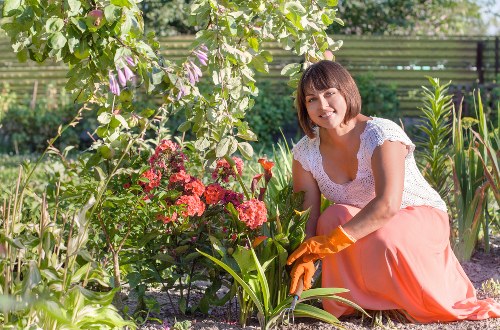
Many Walthamstow gardens need to do several jobs at once. A family may want an area for children to play, space for dining, a place for growing plants, and a low-maintenance section that does not take over the weekends. A couple may want a stylish entertaining area with planting for privacy and mood. A landlord may need a robust, clean layout that is attractive to tenants without requiring heavy upkeep. The best garden design and build solution starts by understanding those everyday needs.
In narrow gardens, zoning can be very effective. A patio close to the house may provide an outdoor dining space, while a central lawn or durable planting zone can soften the middle of the garden. A screened back area may provide a practical storage point for bins, bikes, or tools. In slightly larger plots, curved or straight stepping routes can lead visitors through different parts of the garden and create a stronger sense of depth. These ideas are especially helpful where gardens feel long and underused.
For properties around Walthamstow Village and the surrounding residential streets, preserving character is often important. This can mean using materials that feel in keeping with the house, such as brick detailing, natural stone effects, timber features, or planting that suits the style of the property. For newer developments or converted homes, the aim may be a cleaner, more modern layout with crisp lines and resilient finishes. The design should reflect the home, not fight against it.
How the process works

A well-run project is easier for everyone. Homeowners want to know what happens first, what decisions they need to make, and how the build stage will be managed. The process should be clear from the outset so there is less stress and fewer delays. While every project differs, most garden design and build work in Walthamstow follows a practical sequence.
First comes the initial conversation. This is where you explain what is not working, what you want to achieve, and how the space is likely to be used. You may have photos, measurements, sketches, or even a rough idea of the style you like. That is enough to begin. From there, the space can be assessed in terms of shape, light, drainage, access, and any existing features that may be reused or removed.
Next comes the design stage. This may involve simple concept ideas or a more developed layout depending on the size and complexity of the work. You can usually expect discussion around surfaces, planting structure, screening, storage, and practical features such as lighting or paths. Once the design direction is agreed, the build stage begins. Good project management matters here, especially when materials need to be brought through tight access points or when work must be planned around neighbours and parking restrictions common in the area.
Finally, the finishing stage brings the space together. This includes planting, final adjustments, and a proper tidy-up so the garden is ready to use. A strong finish matters because the details are what make the space feel complete. Clear communication throughout the job helps ensure the result matches the original plan.
Hard landscaping that creates structure

Hard landscaping is the backbone of many successful gardens. It includes the permanent or semi-permanent features that define how the space is used and how it feels. In Walthamstow, where gardens often need to be practical as well as attractive, the right hard landscaping can make a dramatic difference. A well-built patio can extend living space outdoors, while new paths, steps, or retaining edges can make the garden easier to move through and maintain.
Common hard landscaping elements include:
- Patios for dining and seating
- Paths that improve access through the garden
- Steps and level changes for sloped or uneven sites
- Raised beds for structure and easier planting
- Edging to keep lawns and borders tidy
- Screening and fencing for privacy
- Small retaining features where ground levels need support
Material choice is a big part of the result. The right paving or timber finish should match the style of the house, suit how the garden is used, and stand up to local weather. Some customers prefer a lighter, brighter surface that reflects light into a shaded garden. Others want a more natural, earthy look that softens a compact space. The best approach balances appearance, durability, and maintenance. Good design is not just what looks appealing on day one; it is what still works well after years of use.
Planting design that suits local conditions
Planting is what gives a garden its softness, movement, and seasonal interest. In an urban area like Walthamstow, planting also plays an important role in privacy, atmosphere, and helping the garden feel calm. The right planting plan can make even a small outside space feel layered and welcoming. It can soften walls and fences, create points of focus, and encourage wildlife without making the garden feel overgrown.
Plant selection should match the amount of light, the soil conditions, and the level of care you want to provide. Some gardens have sunny south-facing aspects and can support a broad range of flowering plants. Others are shaded by neighbouring buildings or trees and need a more careful selection of ferns, groundcovers, shrubs, and structural evergreens. A design-led planting scheme takes those realities into account rather than relying on generic lists of plants.
For customers who want a lower-maintenance space, planting can be grouped in a way that reduces fuss while still looking strong. For those who enjoy gardening, there may be room for more seasonal interest, fragrance, or edible planting. Raised beds can be a useful option where access is limited or where you want to reduce bending. In many Walthamstow gardens, a mix of evergreen structure and seasonal planting works particularly well because it keeps the garden looking good across the year.
Planting is often the difference between a finished outdoor room and a bare hardscape.
Useful features for modern living
Today’s gardens are expected to work harder than ever. Many customers want outdoor spaces that can support socialising, relaxing, storage, family life, or even work-from-home breaks. A thoughtful garden design and build project can include features that improve everyday convenience without making the space feel crowded.
Popular additions include outdoor lighting for safer movement after dark, built-in seating for small patios, screening to shield overlooked areas, and discreet storage for bins or garden tools. In some cases, a pergola or simple overhead structure can help define a dining space or provide partial shelter. Water features, bird-friendly planting, and textured surfaces may also be included if the aim is to create a more atmospheric garden.
For commercial customers in and around Walthamstow, practical features may be even more important. A café garden or hospitality yard may need comfortable seating areas, easy-clean surfaces, and planting that stays tidy. Office outdoor areas may benefit from low-maintenance greenery, clear routes, and places to sit during breaks. A good design balances visual appeal with durability and everyday practicality. That is what makes the space genuinely usable, not just nice to look at.
Why choose a local company for garden design and build in Walthamstow
Choosing a local team offers several real advantages. First, it means the people planning and building your garden are familiar with the pace, character, and practical realities of the area. They understand the mixture of terraced streets, side returns, period homes, converted flats, and newer developments that shape Walthamstow’s outdoor spaces. That local understanding helps avoid design choices that look good on paper but do not work well on site.
Second, a local service is better placed to manage access and logistics. In parts of Walthamstow, parking can be limited, delivery routes can be awkward, and materials may need careful staging to avoid blocking shared spaces. A local team can plan around those issues more efficiently. That usually means smoother progress, less disruption, and a more realistic schedule for the work involved.
Third, local customers often want a service that feels personal and responsive. Whether you are upgrading a back garden, reworking a front area, or designing an outdoor space for a business, you want to know that your brief has been listened to properly. A local company can visit, assess, and discuss options in a more grounded way because it understands the properties and streets you are referring to. That kind of familiarity is hard to replace.
Finally, working locally can make communication easier. If there is a question about materials, access, planting, or phasing, it is simpler to keep the conversation direct and practical. That helps the project stay focused on your priorities.
Preparing for your garden project
Good preparation helps the project run more smoothly and can save time during the build. You do not need to know every technical detail before getting started, but a little planning helps define the scope. If your garden is cluttered, partly blocked, or contains items you want to keep, it is worth thinking about what needs to be moved before work begins.
Here is a practical checklist to help you prepare:
- Decide what you want the garden to do: relax, entertain, play, grow plants, or all of these.
- Make a note of the parts you like and the parts that no longer work.
- Measure the garden if you can, even roughly, and note any access issues.
- Take photos in different weather or light conditions if possible.
- Think about storage, bin access, bike access, and washing lines.
- Identify any plants, trees, or features you want to keep.
- Consider whether privacy, shade, drainage, or maintenance is a concern.
- Be clear about how much upkeep you are comfortable with once the work is done.
For landlords and commercial property owners, it can also help to think about durability and turnover. A space that is simple to maintain and easy for others to use may be more appropriate than something highly detailed or delicate. For family homes, the balance may lean more towards flexible surfaces, robust planting, and a layout that can adapt as children grow. The more clearly the garden’s purpose is defined, the better the final design usually feels.
What affects the cost of the work
Many customers want to know what shapes the price of a garden design and build project. While exact figures depend on the property and the choices made, there are several common factors that influence the overall scope. Understanding these makes it easier to plan realistically and prioritise the parts of the project that matter most.
Typical cost factors include:
- Size of the garden and the amount of work needed
- Whether the layout needs to be completely reworked
- Removal of existing patios, fencing, sheds, or overgrown planting
- Complexity of levels, drainage, or retaining features
- Choice of materials for paving, decking, fencing, and edging
- Planting density and the number of different plant varieties used
- Lighting, irrigation, or other added features
- Site access, parking restrictions, and how materials can be brought in and out
It is also worth considering the long-term value of the work. A slightly more considered design may reduce maintenance, improve usability, and last better over time. That is often better value than choosing the cheapest option for every single element. If your budget is limited, the project can sometimes be phased so the most important structural work is completed first and finishing touches are added later. Request a free quote to talk through the options that fit your garden and your priorities.
Areas covered around Walthamstow
Garden design and build services are often needed across a wider local area, not just on one street or in one neighbourhood. Many customers in Walthamstow also look for help in nearby parts of east and north-east London where the housing mix is similar and garden conditions can vary from one property to the next. This can include residential streets, estates, converted buildings, and commercial premises with small outdoor areas.
Areas commonly covered may include:
- Walthamstow Village
- Blackhorse Road
- Wood Street
- St James Street
- Higham Hill
- Hoe Street
- Upper Walthamstow
- Leyton and Leytonstone nearby
- Chingford and bordering neighbourhoods
- Other surrounding parts of east London where similar services are needed
If your property is on a narrow residential street, in a development with limited access, or in a mixed-use area where timing and parking matter, working with a local team can make the whole process easier to manage. The important thing is not just that the service comes to your area, but that it is suitable for the realities of your site.
How to choose the right style for your garden
Style should always support how you want the garden to feel and function. Some Walthamstow customers prefer a modern layout with clean lines, large-format paving, simple borders, and carefully chosen structural planting. Others want a softer, more natural garden with layered greenery, curved paths, and a relaxed atmosphere. Many gardens benefit from a blended approach that combines structure with a more welcoming, lived-in feel.
A few useful style directions include:
Modern and minimal
Best for customers who want a tidy, uncluttered look with easy maintenance. This style often uses simple materials, strong geometry, and restrained planting.
Natural and layered
Ideal for those who like texture, seasonal change, and a garden that feels established. It often includes mixed planting, softer edges, and a relaxed structure.
Family-friendly and practical
Designed for durability, flexibility, and easy movement. This style may prioritise play space, robust surfaces, and planting that can stand up to everyday use.
Compact urban garden style
Useful where space is tight and the aim is to make the garden feel bigger. This may involve clever zoning, vertical planting, mirrors of light through surface choice, and privacy features.
The best design is usually the one that matches your home and your habits rather than chasing a look that does not suit the space. When style and function work together, the garden becomes much easier to enjoy.
Frequently asked questions
How long does a garden design and build project take?
It depends on the size of the space, the complexity of the design, weather, access, and the amount of structural work involved. A small redesign may move faster than a full garden transformation, especially if drainage, levels, or significant clearance are required.
Can I keep part of my existing garden?
Yes. Many projects reuse existing walls, trees, paving, or planting where it makes sense to do so. Keeping good existing features can reduce waste and help preserve character.
Do I need a full plan before getting started?
Not necessarily. Some customers come with a clear layout in mind, while others need help shaping the brief. A design conversation can help you decide what belongs in the final space and what should be removed.
Will access be a problem in a Walthamstow garden?
Access is a common consideration, especially in terraced streets and tightly packed residential areas. A local team will usually plan for this in advance, including how materials, waste, and equipment can be handled safely and efficiently.
Can the garden be designed to be low maintenance?
Yes. Low-maintenance gardens are popular for busy households, landlords, and commercial sites. Options may include durable paving, structured planting, evergreen shrubs, and layouts that reduce weeding and trimming.
Do you work on front gardens as well as back gardens?
Yes. Front garden design can improve kerb appeal, access, and privacy. In some cases, it can also help create more practical bin or bike storage and give the property a cleaner overall appearance.
If you are ready to improve your outdoor space, now is a good time to take the next step. Book your service now or request a free quote and start planning a garden that fits your Walthamstow home or business.
Why customers choose a joined-up design and build service
Using one team for both garden design and build can make the whole process easier to manage. Instead of passing ideas between separate parties, the concept, materials, and construction method are kept aligned. That usually reduces confusion and helps the finished result stay true to the original plan. It also means that practical issues discovered on site can be dealt with quickly by people who already understand the design intent.
For local customers, that joined-up approach is especially useful when the garden needs to be assessed as a whole rather than in separate stages. If you are dealing with uneven levels, privacy concerns, tired surfaces, or planting that has become unmanageable, the best result often comes from treating the space as one connected project. That is true whether the garden is attached to a family house, a rental property, a business premises, or a communal outdoor area.
In Walthamstow, where many gardens have a lot of hidden potential, the right mix of design thinking and build experience can unlock a space you may have stopped using properly. The aim is not simply to replace one surface with another. It is to create a garden that supports everyday life, looks good through the seasons, and feels like it belongs to the property. Contact us today if you are ready to improve the way your outdoor space works.