Recycling and Sustainability for Landscaping Walthamstow
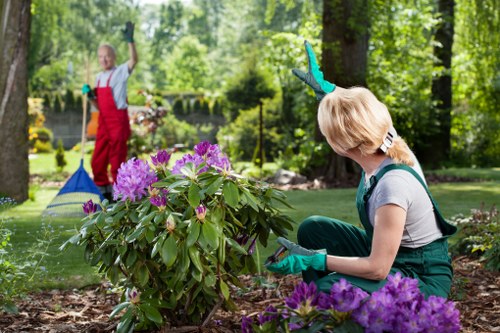 At Landscaping Walthamstow, recycling and sustainability are built into the way we plan, carry out, and complete outdoor work. From garden clearances to planting projects, our aim is to keep useful materials in circulation for as long as possible and to reduce the amount sent to landfill. We support a practical recycling percentage target of at least 85% of project waste being diverted from landfill through reuse, segregation, and responsible processing. That approach helps create cleaner sites, lower emissions, and more efficient landscaping across the borough.
In a busy urban area like Walthamstow, waste handling has to be carefully organised. Soil, timber, green waste, stone, metals, plastics, and packaging are separated wherever possible so each stream can be handled correctly. This is especially important in East London, where local borough approaches to waste separation encourage cleaner recycling outcomes and better material recovery. By sorting waste at source, our Walthamstow landscaping recycling process supports the wider circular economy while keeping sites tidy and compliant.
We also work with a network of local transfer stations to make sure recyclable material is moved efficiently into the right recovery channels. Green waste can be taken to facilities that compost or process it into mulch, while inert materials such as broken paving or rubble are directed toward aggregate recycling routes. Low-impact transport planning is part of this system too, helping reduce unnecessary miles and keeping collections coordinated with project schedules.
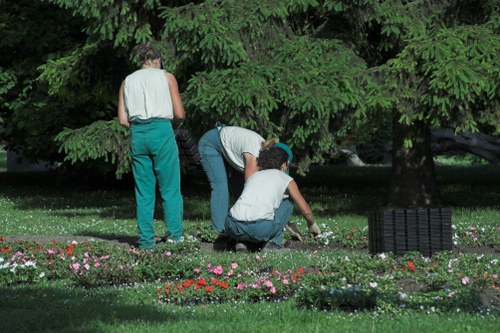 Partnerships with charities are another important part of our sustainability model. Reusable items such as planters, hand tools, edging pieces, timber offcuts, and surplus decorative materials are identified for donation where appropriate. By passing on suitable materials to local charitable organisations, community groups, and reuse schemes, Landscaping Walthamstow sustainability work can support both environmental and social value. These partnerships help extend the life of materials that would otherwise be discarded too early.
In practical terms, this means we look carefully at every site before deciding what should be reused, recycled, or processed as residual waste. Soil can sometimes be retained for regrading, while healthy branches may be chipped for habitat mulch. Even when waste is unavoidable, we aim for responsible separation of green waste, mixed construction debris, and packaging. This kind of selective handling is especially relevant in local boroughs that prioritise waste minimisation and resource efficiency.
Our teams also use low-carbon vans to reduce the environmental impact of travel between sites, depots, and transfer stations. These vehicles are chosen for improved fuel efficiency and reduced emissions, making them well suited to a service that often involves short urban journeys. In a dense area like Walthamstow, where stop-start traffic is common, efficient vehicles can make a meaningful difference to overall carbon output. Combined with route planning, this supports a lower-impact recycling-led landscaping operation.
 A sustainable landscaping service is not just about moving waste away; it is about designing workflows that prevent waste in the first place. We aim to order materials accurately, protect deliveries from damage, and plan installations so that offcuts are minimised. Where possible, packaging is flattened, sorted, and sent into the correct recycling stream. This is particularly useful on projects involving turf, compost, paving, fencing, and planting materials, where multiple recyclable inputs often arrive together.
We also reflect the way local boroughs approach household and commercial waste separation by encouraging clear segregation on site. That can mean keeping cardboard with clean paper, setting aside metal fixings, and isolating timber from contaminated material. Green waste is handled separately from inert waste, and any soil contaminated by non-organic material is identified early so it can be treated appropriately. These habits help improve recycling quality and reduce contamination rates.
Another benefit of this approach is that it supports a more resilient local supply chain. Recovered materials can re-enter projects as mulch, aggregate, or reused components, reducing demand for virgin resources. By prioritising sustainable landscaping in Walthamstow, we help conserve raw materials and keep disposal costs and environmental impacts under control. In turn, this allows outdoor spaces to be improved in a way that is both practical and environmentally responsible.
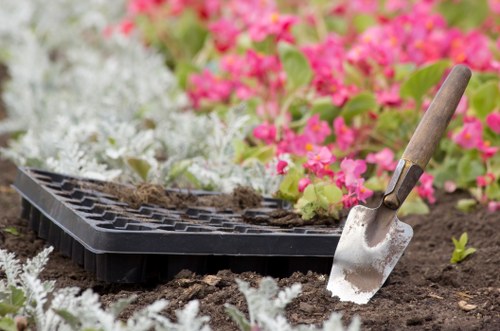 Recycling activity in landscaping often includes more than just obvious green waste. Hard landscaping materials, such as old slabs, bricks, and concrete, can frequently be separated for recycling rather than sent to landfill. Metal from fencing or fixtures may also be recovered, while clean timber can be reused or repurposed. In areas like Walthamstow, where gardens and access routes may be compact, the careful sorting of materials is especially important because space is limited and every load must be planned efficiently.
We are equally committed to making sustainability visible in day-to-day operations. Teams are encouraged to think about the full life cycle of materials, from delivery to installation and eventual recovery. This includes selecting products that are durable, repairable, and suitable for future reuse. It also means using reusable containers where possible and reducing single-use plastics in operational work. These small steps add up across many projects and support a more responsible landscaping model.
Landscaping Walthamstow is focused on practical environmental performance rather than empty claims. The goal is to maintain a high recycling rate, support local reuse through charity partnerships, and move materials using lower-emission vehicles and efficient collection routes. By combining good waste separation, local transfer station use, and thoughtful material planning, we aim to deliver a greener landscaping service that fits the needs of the community and the realities of an urban borough.
 Looking ahead, our sustainability priorities remain clear: keep raising the recycling percentage target, reduce emissions from transport, and strengthen the reuse pathways that benefit local organisations. As waste systems evolve and borough-level separation improves, there is even more opportunity to recover valuable materials from landscaping work. For us, that means continuing to make every project cleaner, leaner, and more environmentally responsible.